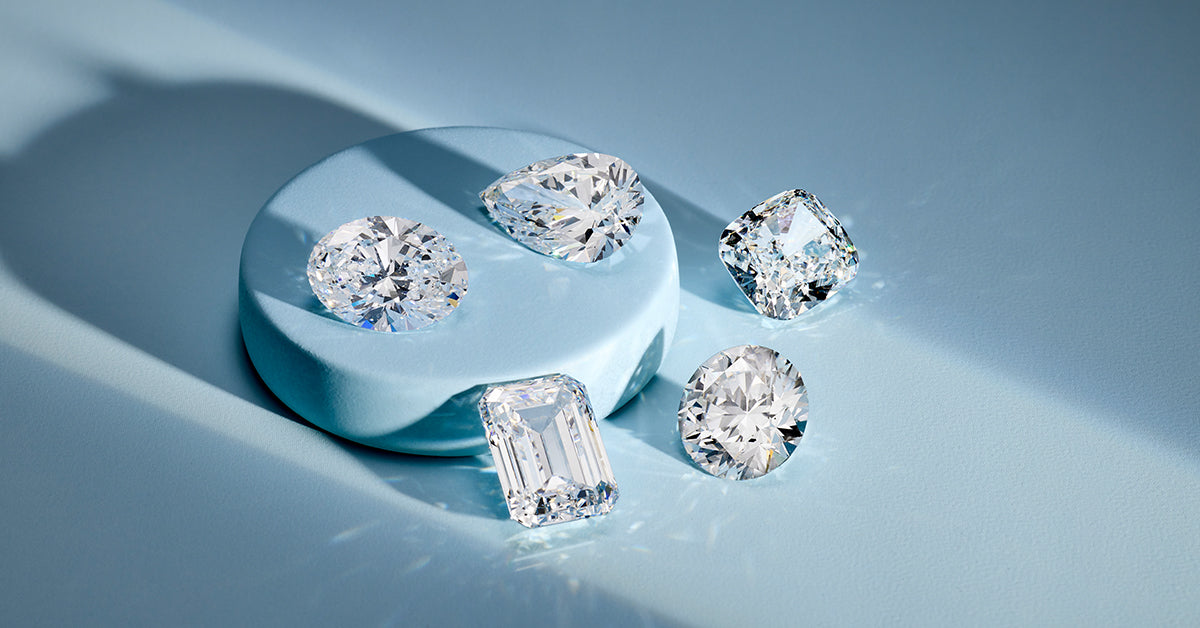
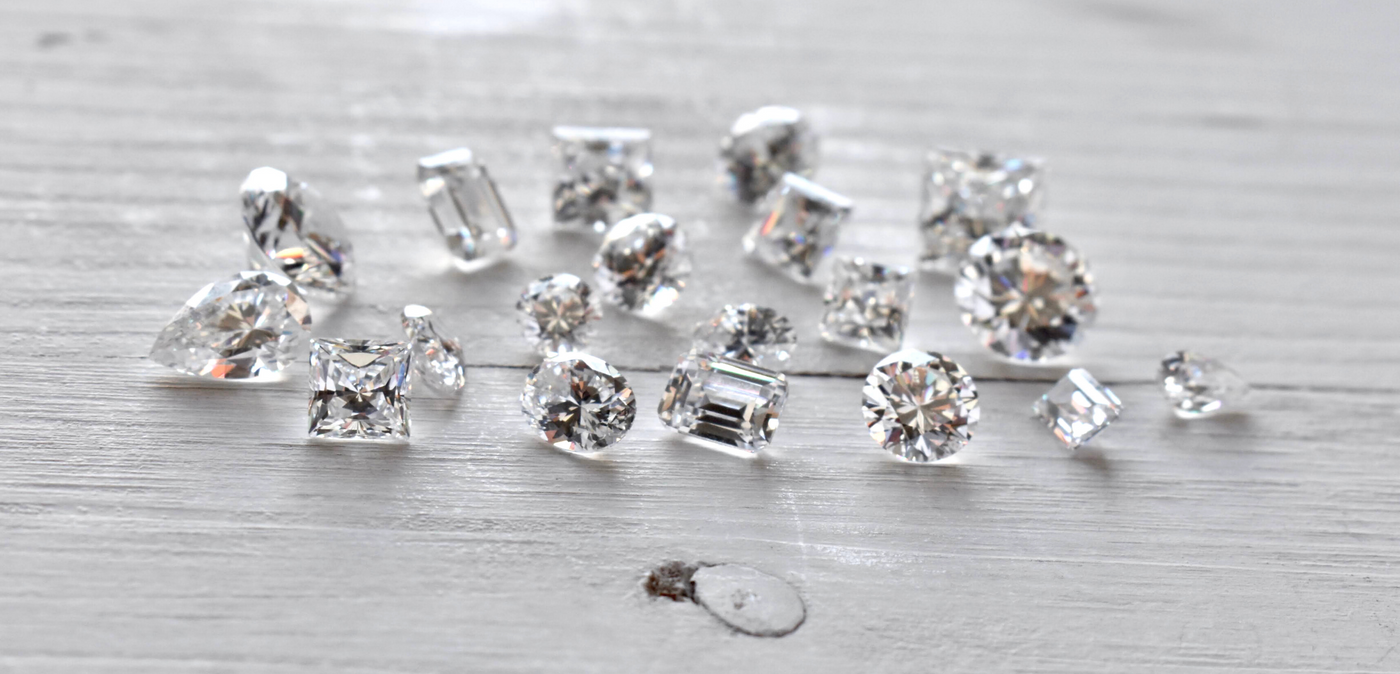
Mine them deep underground or grow them under bright lights – either way the sparkle might fool you. A natural gem takes ages beneath rock layers while its lab version forms in weeks on steel shelves. Looks alone won’t tell which sat in soil for centuries versus which bloomed inside a chamber. Creation path splits here: one shaped by planet forces, the other guided by human hands. Origin changes everything even if brightness does not. Laboratory environments build diamonds using intense pressure and high temperatures, mimicking conditions far beneath Earth’s surface. Layer after layer, the crystal slowly takes shape under careful observation. What results holds an identical atomic layout to natural gems. Its resistance to scratching matches exactly. Telling them apart usually demands advanced equipment, even for trained eyes. What matters most to you when buying isn’t if the gem formed underground. Value shapes that decision. Some go for lab created gems since they look identical and last just as long – but come at a lower price. Picture this: a one carat earth mined diamond might run thousands. Its man made match, same sparkle and clearness, often costs a fraction. That gap gives room to spend more on how the piece looks – style of band, type of setting, metal used.
Table of Contents
How diamonds are made by humans
One way labs make diamonds mimics how they form lab diamond rings platinum vs gold. Another method skips slow geology, using intense heat instead.
High Pressure High Temperature Process
A deep underground setting gets recreated here. Heat presses down hard, then carbon waits through long shifts of change. Slowly, bit by bit, a diamond begins to grow. Pressure holds steady while moments stretch into ages.
Chemical Vapor Deposition Process
From a gas full of carbon, diamonds slowly form. Heated, the gas releases atoms that stick to a tiny diamond piece. Over time, each new layer builds up the gem. These lab stones match real ones atom by atom. In daily life, their shine and toughness seem identical.
Buyers prefer lab diamonds for cost and ethics
Folks who buy gems are turning more to man made diamonds ones these days – price tags tend to be lighter, stock shows up faster. Choosing them isn’t about trends; it’s where wallet and wait times meet.
- Fewer costs when set beside traditional diamonds dug from the earth
- More space options without spending extra. Different dimensions fit your needs while keeping costs steady. Choices open up when size grows but price stays put. Bigger area possible within set limits. Room expands though money does not
- Production stays steady when supplies face less restriction
- Similar durability and brilliance
A bigger stone might catch your eye when money is tight – swap that for a tiny natural diamond if you like. Size can punch up the look while keeping prices flat. Yet even shiny rocks take a back seat sometimes. What holds it matters just as much – the frame shapes how long it lasts, how it shines.
Selecting Metal for a Ring
A small frame keeps the stone secure while defining its appearance. Though many metals exist, only two show up most often in wedding bands and high-end pieces. One is platinum; the other, gold. Each pick changes how heavy it feels, what it costs, and how much care it needs. Knowing contrasts makes matching a band to routine easier.
Platinum
Possessing great weight, platinum stands out due to its toughness. Its shine isn’t silver – it’s purely white, making it a match for diamond brilliance. Because it resists wear so well, many choose this material when durability matters most
- High durability
- Natural white color that does not fade
- Strong grip on the diamond setting
Heavy in the hand, a platinum ring sits with noticeable presence. That solid feel? Some folks link it directly to worth. Priced higher than gold versions, these bands reflect both scarcity and heft. Rarity plays its part, yes, but mass adds up too.
Gold
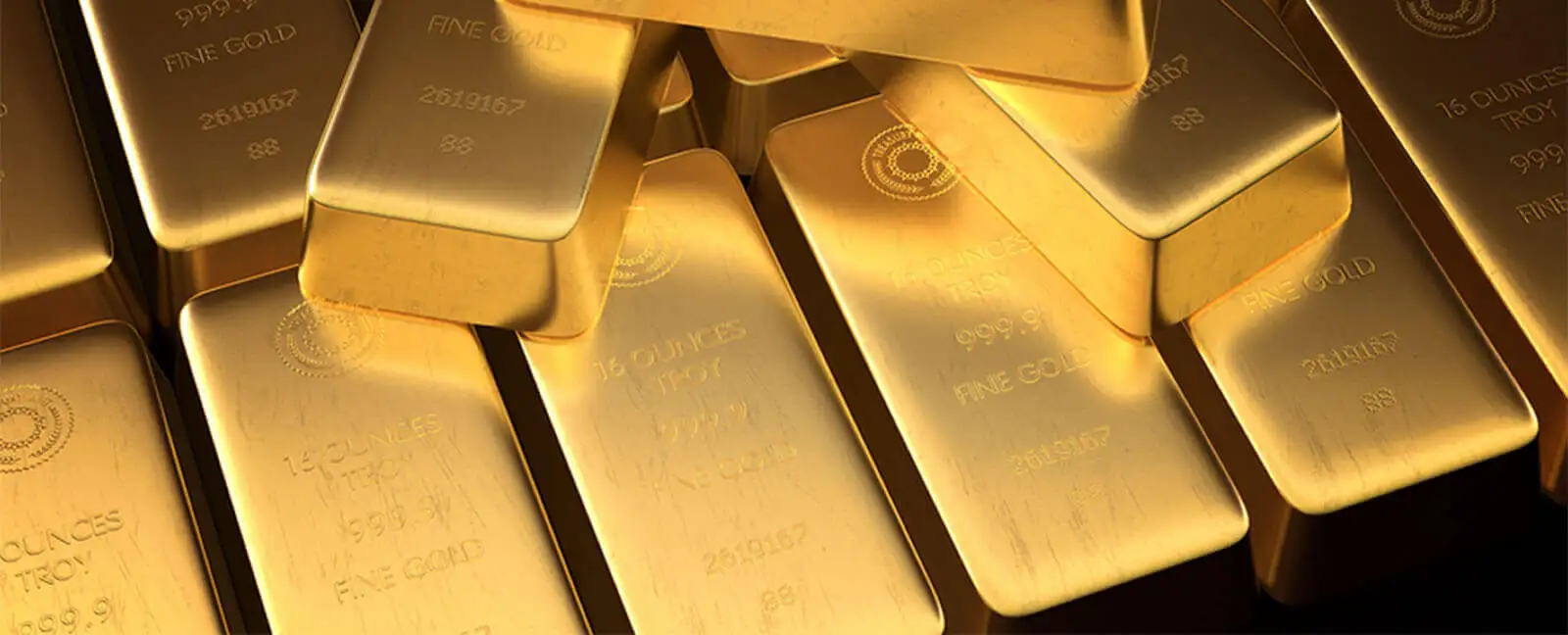
Shiny yellow? That’s classic gold blended with copper. White tones appear when nickel or palladium join in. Rose hints happen through higher copper levels. Some sparkle greenish if silver mixes in deeply. Choices shift based on what metals tag along inside
- Yellow gold
- White gold
- Rose gold
A small weight difference gives gold an edge for daily wear. Comfort leans toward the lighter option, especially over long hours. Resizing fits smoother, repairs follow without hassle. Diamond settings often pair with white gold, thanks to its look-alike shine next to platinum. Over months, that gleam fades unless touched up with rhodium plating now and then.
Platinum Versus Gold in Diamond Ring Choices
Picking between platinum and gold for lab diamond rings? Start by weighing how long each lasts. Money matters too – one might stretch your budget more than expected. Care routines differ, so consider what fits daily life. Each choice shifts the balance in subtle ways.
Durability
Over years, platinum hardly shows damage. If a mark appears, the material just moves around instead of breaking off. Because of this, the band stays nearly as heavy as before. Purity levels affect gold’s firmness – softer when less refined. Years go by, tiny bits of metal slowly disappear. When it comes to daily wear, platinum tends to hold up better over time.
Cost
A pricier tag often follows platinum bands simply due to weight and scarcity. Instead, gold gives room to stretch value elsewhere. Some shoppers shift savings straight into stone quality. Picture one design: identical except metal – platinum asks hundreds beyond its golden twin.
Maintenance
Patina creeps in slowly on platinum, giving it a quiet dull glow after years go by. That raw appearance finds fans who appreciate how things age without help. Polishing now and then keeps some pieces looking sharper than others. White gold loses its crisp shine unless dipped again every handful of years. The yellow and rose versions skip that extra layer yet show marks faster when bumped or rubbed.
How Metal Changes How Diamonds Appear
Surprisingly, the band hugging the gem shifts its look completely. Cool-toned shine comes through when platinum is used, also true of white gold. Colorless stones gain an edge here. Brightness jumps out, sharp and clean, thanks to that icy glow underneath. A touch of warmth comes through when yellow gold is used. Slightly tinted stones might seem better matched because of it. Softness shines in rose gold, giving off a one-of-a-kind feel. Take a round diamond in platinum – it tends to come across crisp, current. That very same gem in yellow gold? It leans into timeless, familiar vibes. Now here’s something worth noticing – when choosing rings set with lab grown stones, how it looks really matters. Because the diamond comes with sharp transparency by default, attention shifts toward the piece as a whole. Instead of worrying about flaws, the shape and layout start to stand out more.
Tips for Choosing the Right Combination
Every morning that band slips onto fingers, lives there through coffee steam and keyboard taps. Pause first though – what happens when chores call, weather shifts, hands move? Think on toughness before choosing something meant to stay put. Daily wear tests anything, especially jewelry close to skin. A choice now plays out across years of washing dishes, typing emails, opening doors
- Your lifestyle and daily activities
- Your preference for ring weight
- Your budget balance between stone and metal
- Your favorite shade of color
When hands stay busy, a tough platinum band can hold the diamond tighter. A gold ring might feel right if weight matters less and colors matter more. Sometimes care steps later on shape today’s pick. Choosing something that skips frequent shine-ups or surface fixes fits certain lives easier.
The Rise of Lab Grown Diamonds
Lately, synthetic gems have become common stock at many jewelers. Production scaling up meant better clarity and easier access. Engagement bands, ear pieces, neck chains – these sparklers show up just about everywhere. What draws people? Simple math usually wins out over tradition when price meets shine. A bigger stone fits the budget without losing that classic diamond sparkle. Many find this opens up options they thought were out of reach. Think of a pair preparing for marriage – size matters, yet limits remain firm. Over time, attention moves away from where it came from toward how well it’s made.
FAQ
Are lab grown diamonds real diamonds?
Fine. Identical makeup, identical toughness – just made above ground rather than deep below. What sets them apart? Origin only.
Do lab grown diamonds last as long as natural diamonds?
Fine. These gems rank among nature’s toughest substances. Created in labs, they match that strength – time treats them kindly if looked after well.
Gold or platinum – which works best for a diamond ring?
Picking platinum means you get something tougher, along with a cool silver-white look. Instead of that, gold opens doors to reds, yellows, even greens – sometimes without draining your wallet. It really comes down to how much you want to spend and what catches your eye.