Diamond earrings remain a favorite because they add light and polish without making an outfit feel too formal. Today, lab diamond earrings give shoppers another way to enjoy this classic jewelry style. They offer the same refined appearance people expect from diamond jewelry while fitting a wide range of personal tastes. From simple studs to graceful drops, the right pair can become part of a daily routine or add a finishing touch to special-event clothing.
Table of Contents
What Makes Lab Diamond Earrings Distinctive
Diamonds grown in a controlled laboratory environment have the same essential crystal structure as mined diamonds. Their origin is different, but they are real diamonds rather than imitation stones such as cubic zirconia. This distinction matters for buyers who want genuine diamond jewelry while considering a different source.
Lab diamond earrings are especially well suited to buyers who value flexibility in design. The stones can appear in understated pieces for work or larger settings intended for formal occasions. Since earrings sit close to the face, even a clean and simple design can create noticeable sparkle.
The final appearance depends on more than the diamond itself. Metal choice, setting style, stone shape, and overall proportions all affect how the earrings look once worn.
The Four Cs Still Matter
The familiar Four Cs, cut, color, clarity, and carat weight, remain useful when evaluating diamond earrings. Each factor influences appearance in a different way.
Cut and Light Performance
Cut has a major effect on how a diamond interacts with light. A well-cut stone can appear lively and bright because its proportions help reflect light effectively. For earrings, this can be especially noticeable as the stones move with the wearer.
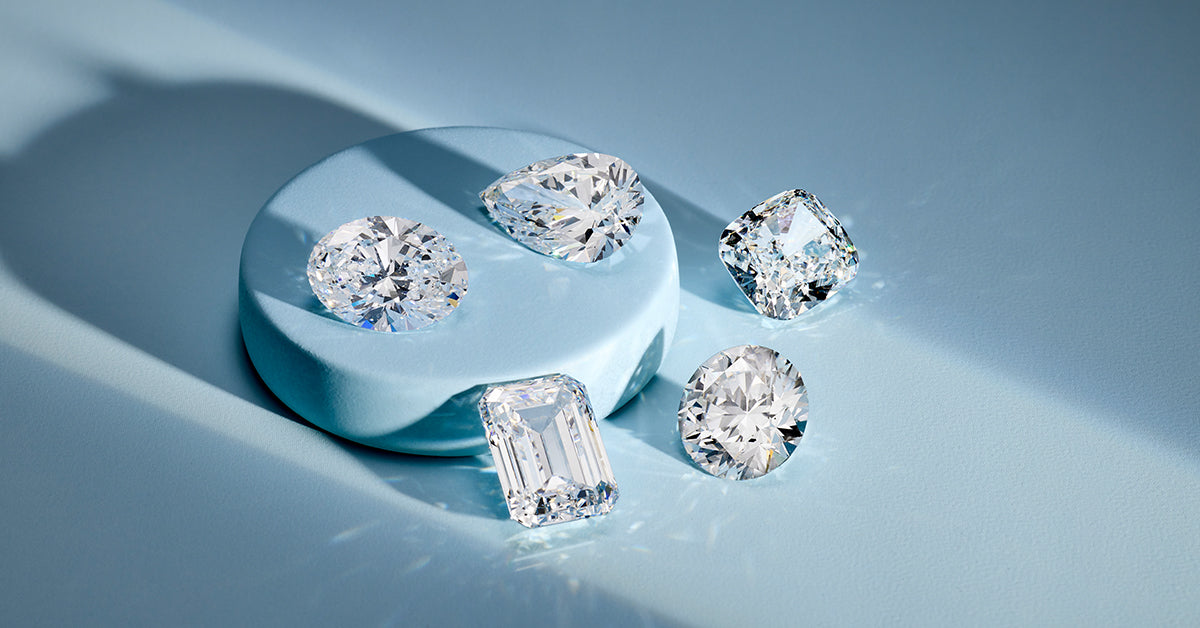
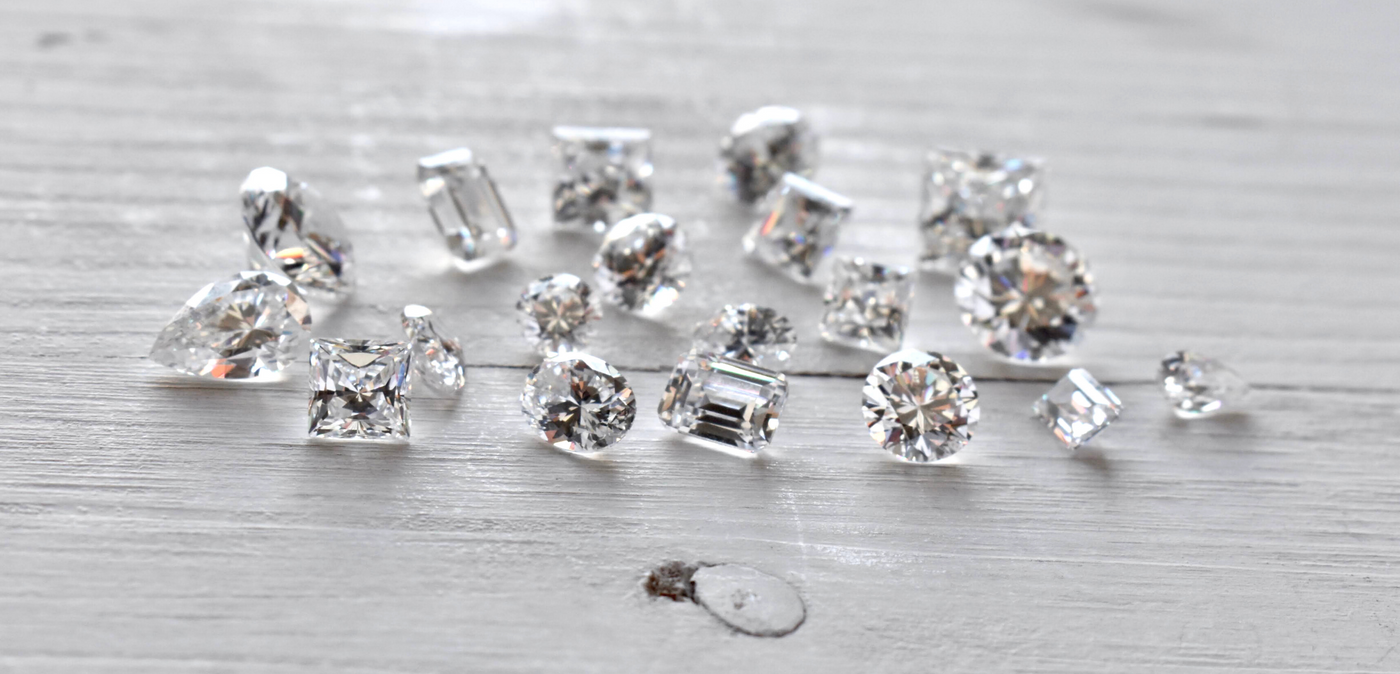
Round brilliant diamonds are popular for their strong sparkle, but other shapes create different effects. Oval, pear, emerald, princess, and cushion cuts can give earrings a more individual look.
Color and Clarity
Diamond color grades describe how much visible color a stone shows. Many shoppers prefer stones that appear colorless or nearly colorless, but the setting can influence how the color is perceived. White metals may emphasize a crisp appearance, while yellow or rose gold can create warmer contrast.
Clarity refers to internal characteristics and surface features. Earrings are usually viewed from a greater distance than rings, so tiny characteristics may be difficult to notice without magnification. Buyers can focus on a clean visual appearance instead of automatically seeking the highest possible clarity grade.
Carat Weight and Proportion
Carat measures diamond weight rather than its visible size. Two stones with the same carat weight can look different because their shapes and proportions vary.
For earrings, the listed total carat weight may refer to both stones combined. Checking product details helps prevent confusion. It is also useful to consider the diameter or dimensions of each diamond when comparing pairs.
Popular Earring Designs for Different Looks
Stud earrings are among the most versatile choices. A single diamond on each ear keeps the design clean and allows the stones to remain the focus. They work easily with casual clothing, professional outfits, and evening wear.
Halo styles surround a center diamond with smaller stones. This design adds extra sparkle and creates a more detailed appearance. Drop and dangle earrings provide movement, making them suitable for occasions where a more noticeable accessory feels appropriate.
Hoops offer another option for people who want diamonds spread across a larger design. Small huggie hoops stay close to the earlobe, while larger hoops create a stronger visual statement. Jewelry made with lab created diamonds can support all these styles without changing the fundamental qualities expected from diamond stones.
Metal Choices Affect Style and Wear
The metal around a diamond influences both appearance and practical wear. White gold and platinum create a cool-toned setting that blends easily with a bright diamond. Yellow gold provides warmer contrast, while rose gold brings a soft pink tone to the design.
Metal durability also deserves attention. Earrings worn frequently should have secure posts, clasps, or backs that suit the design. People with metal sensitivities should review the alloy composition before purchasing, especially if they plan to wear the earrings for long periods.
The setting itself should hold each stone firmly while allowing enough light to enhance its appearance. Prong settings expose more of the diamond, while bezel settings surround the stone with metal for a smooth, protected edge.
Matching Earrings to Daily Life
A beautiful pair of earrings should also suit the wearer’s routine. Someone who wants jewelry for daily use may prefer low-profile studs or small hoops that are less likely to catch on clothing or hair.
Larger lab diamond earrings may work better for dinners, celebrations, or formal gatherings. Drop designs can frame the face and create movement, while larger studs provide sparkle without hanging below the earlobe.
Personal style should guide the choice more than trends. Minimal jewelry collections often benefit from simple shapes and neutral metals. People who enjoy expressive accessories may prefer unusual cuts, mixed shapes, halos, or detailed settings.
Certification and Product Details
Independent grading reports can provide useful information about a diamond’s characteristics. A report may include details such as carat weight, color, clarity, cut information, measurements, and identifying features. Buyers should review what documentation accompanies a piece before making a decision.
It is also helpful to read the full product description rather than relying on photographs alone. Images may be enlarged to show detail, so they do not always represent actual size. Measurements, stone dimensions, metal type, total carat weight, and backing style provide a clearer picture of what will arrive.
For a pair of earrings, matching matters too. The two diamonds should appear balanced when worn together. Exact grades do not need to be identical in every case, but noticeable differences in size or appearance can affect the symmetry of the pair.
Caring for Diamond Earrings
Skin oils, lotion, hair products, and everyday dust can reduce a diamond’s visible sparkle. Gentle cleaning helps remove this buildup. Warm water, mild soap, and a soft brush are often suitable for basic care, although the specific metal and setting should always be considered.
After cleaning, rinse carefully and dry the earrings with a soft, lint-free cloth. Avoid handling diamonds over an open drain. Strong chemicals and rough cleaning materials can also affect certain metals or finishes.
Storage is equally simple. Keep earrings in a lined jewelry box or separate pouch so they do not rub against other pieces. Check posts, backs, prongs, and clasps periodically. A loose component can increase the risk of losing a stone or an entire earring.
Making a Thoughtful Purchase
A good purchase starts with deciding how often the earrings will be worn and what style fits the wearer. From there, compare diamond cut, visible size, setting, metal, and security of the backing. Product documentation and clear measurements can make comparisons more useful than appearance alone.
Lab created diamonds give buyers access to genuine diamond jewelry with a different origin from mined stones. The strongest choice is one that balances visual appeal with comfort, durability, and personal style. Earrings that meet those needs are more likely to remain useful long after a particular jewelry trend has passed.