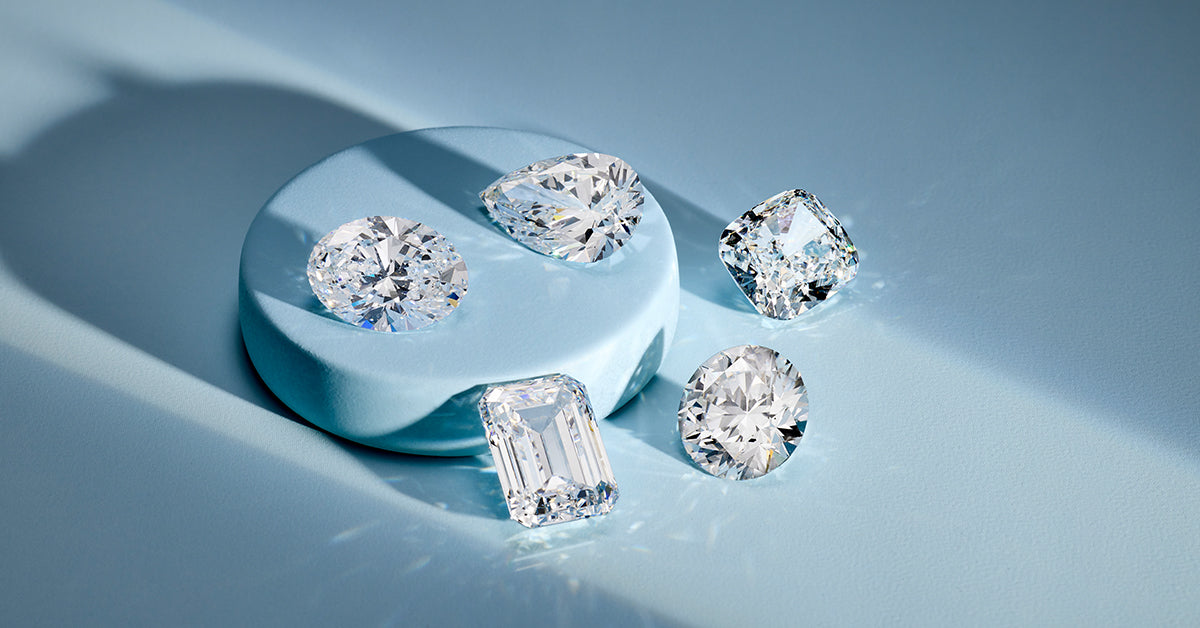
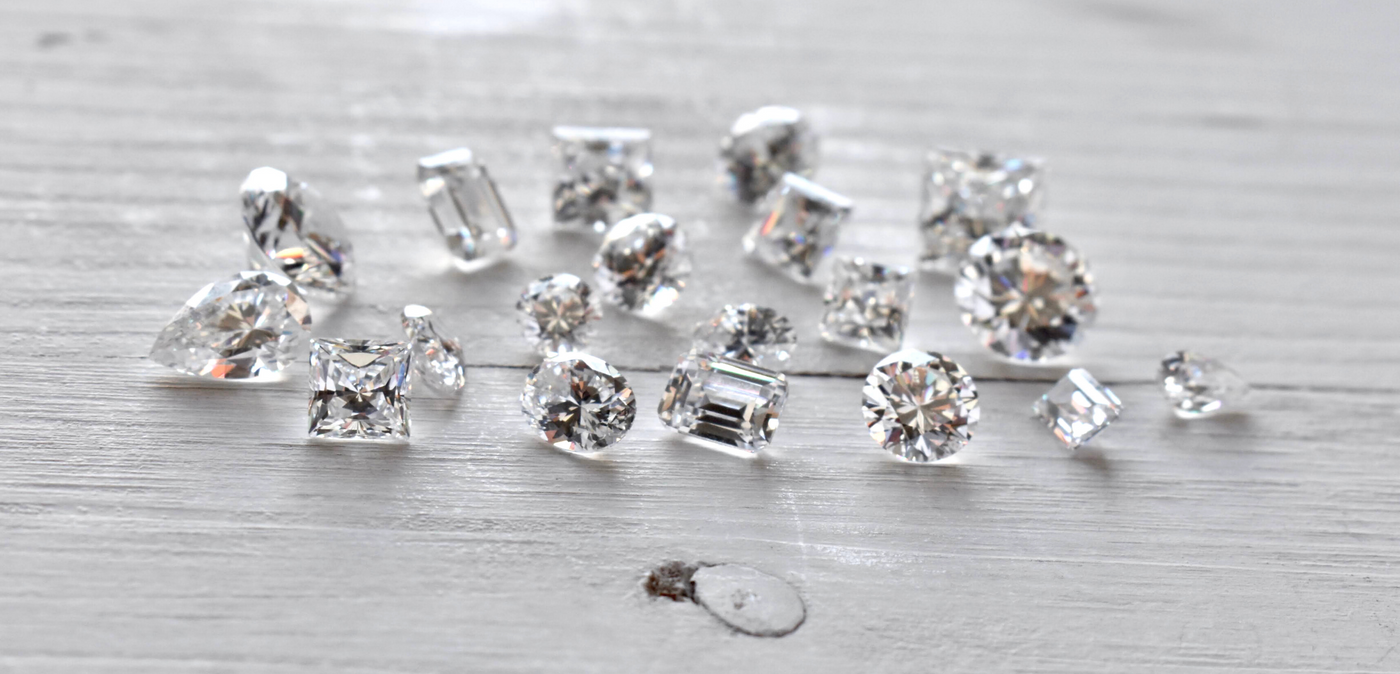
Oval engagement rings combine the brilliance associated with rounded faceting with a longer outline that creates a distinctly different look on the hand. Their elongated shape can give the centre stone strong visual presence, but two oval diamonds of the same carat weight can look noticeably different because proportions, dimensions and facet performance vary.
For buyers considering a lab-grown oval diamond in Spain, carat weight should therefore be only one part of the decision. Shape proportions, light performance, colour, clarity, setting design and the grading report all deserve attention before choosing a ring.
Table of Contents
Why Oval Diamonds Can Look So Different
An oval diamond is not defined by carat weight alone. Its length, width, depth and facet arrangement influence how large, bright and balanced it appears.
One useful measurement is the length-to-width ratio. A lower ratio creates a rounder-looking oval, while a higher ratio produces a slimmer, more elongated outline. There is no universally correct proportion because appearance is partly a matter of personal preference.
This is why comparing actual measurements can be more useful than comparing carat figures in isolation. Two one-carat diamonds, for example, may distribute their weight differently and therefore show different face-up dimensions.
Buyers researching oval engagement rings can benefit from comparing the stone’s measurements and visible proportions alongside the usual colour, clarity and carat specifications rather than selecting by weight alone.
Cut and Light Performance Matter More Than a Number
Cut quality strongly influences how an oval diamond handles light. Good faceting can create brightness, contrast and flashes of colour, while poorly coordinated proportions may leave parts of the diamond looking dull.
Oval diamonds are also known for a visual characteristic commonly called the bow-tie effect. This appears as a darker bow-shaped area running across the centre of some stones.
A slight bow-tie can be a normal result of the facet pattern. A very strong one, however, may dominate the appearance of the diamond.
Because fancy-shaped diamonds such as ovals cannot always be judged as simply as round brilliants from a single cut label, photographs, videos or an in-person inspection can provide useful information about:
- brightness across the stone
- strength of the bow-tie
- symmetry of the outline
- shape of the shoulders and ends
- overall visual balance
The most attractive option is not necessarily the diamond with the largest carat weight or highest specification on paper.
Understanding the 4Cs for an Oval Lab-Grown Diamond
Lab-grown diamonds are assessed using the same core 4Cs framework applied to diamonds generally: cut, colour, clarity and carat weight.
Colour
Diamond colour grades describe how much body colour is visible under standard grading conditions. How noticeable that colour appears in a finished ring can depend on the diamond itself, its size and the surrounding metal.
A slightly warmer diamond may appear harmonious in yellow or rose gold, while buyers choosing platinum or white gold may place more emphasis on a colourless appearance.
Paying for the highest available colour grade is not automatically necessary. The better question is whether the difference is visible enough to matter to the buyer.
Clarity
Clarity evaluates internal inclusions and external blemishes. Higher clarity grades indicate fewer or less noticeable clarity characteristics under grading conditions, but a higher grade does not automatically make a diamond visibly more attractive.
For an engagement ring, many buyers focus on whether inclusions are distracting to the unaided eye rather than pursuing the highest possible laboratory grade.
Oval diamonds can hide some clarity characteristics reasonably well because of their brilliant-style faceting, although every stone needs to be evaluated individually.
Carat Weight
Carat is a measurement of weight, not lab made diamonds diameter or surface area.
This distinction is especially important with an elongated shape. Two diamonds weighing the same amount may have different length and width measurements because their weight is distributed differently.
Compare the measurements listed on the grading report rather than assuming equal carat weight means equal apparent size.
Lab-Grown and Natural Oval Diamonds: What Changes?
Lab-grown and natural diamonds share the fundamental crystal structure and carbon composition associated with diamond. Their principal difference is origin.
Natural diamonds form through geological processes, while laboratory-grown diamonds are produced under controlled conditions. Two major growth methods are used.
HPHT, or High Pressure High Temperature, recreates conditions involving intense heat and pressure to enable crystal growth.
CVD, or Chemical Vapour Deposition, typically grows diamond material using carbon-containing gases in a controlled chamber.
Neither production method automatically determines whether a finished diamond will be attractive. Colour, clarity, proportions, polishing, symmetry and light performance should still be considered stone by stone.
Lab-grown diamonds should also not be confused with diamond simulants such as cubic zirconia or moissanite. Those materials have different compositions and properties.
Which Setting Works Well With an Oval Centre Stone?
The setting changes both the appearance and practicality of an engagement ring.
A solitaire keeps attention on the centre diamond and can make its outline especially easy to appreciate.
A halo setting surrounds the oval with smaller stones, creating a more detailed appearance and increasing the overall visual footprint of the ring.
A pavé band adds small stones along the band itself, while a bezel setting surrounds more of the diamond’s edge with metal.
A hidden halo places smaller stones beneath or around the base of the centre setting, making the detail more noticeable from certain angles than directly from above.
Consider everyday wear as well as appearance. Setting height, exposed edges, cleaning requirements and compatibility with a future wedding band can all affect how practical the ring feels.
Choosing Between Platinum, White Gold and Coloured Gold
Metal selection influences both the visual style of the ring and how the diamond appears against the band.
| Metal | Visual effect | Practical consideration |
|---|---|---|
| Platinum | Naturally white appearance | Often chosen for a substantial white-metal setting |
| White gold | Bright, pale appearance | Finish and maintenance requirements can vary |
| Yellow gold | Warm contrast | Can complement both colourless and slightly warmer-looking stones |
| Rose gold | Pink-toned appearance | Creates a softer colour contrast with the centre diamond |
The right choice depends on aesthetic preference, budget, lifestyle and the construction of the particular ring rather than a universal ranking of metals.
Check the Diamond Grading Report
A grading report provides a structured description of a diamond’s characteristics. Depending on the laboratory and report format, it may include:
- laboratory-grown origin
- carat weight
- colour grade
- clarity grade
- physical measurements
- proportions
- polish
- symmetry
- fluorescence
- report number
- identifying characteristics
Recognised laboratories such as IGI and GIA grade laboratory-grown diamonds.
A grading report should not be confused with an appraisal or a guarantee of future financial value. It describes diamond characteristics according to the laboratory’s grading system; it does not establish a guaranteed resale price.
Where a laser inscription is present, the report number or identifying information may also be inscribed on the diamond’s girdle and can assist with verification.
What to Check Before Ordering the Ring
Specifications are useful, but the final choice should combine documentation with the visible appearance and practical design of the ring.
Before purchasing, check whether the quoted carat figure refers to the centre stone or total diamond weight. Review the centre diamond’s measurements, grading information and photographs or video where available.
Also confirm:
- ring size and available resizing options
- metal type and specification
- centre-stone dimensions
- whether smaller accent stones are lab-grown or natural
- return conditions
- warranty or service terms offered by the retailer
- how the setting sits with a wedding band
- recommended cleaning and maintenance
For shoppers in Spain comparing lab-grown diamond jewellery, novitadiamonds.es is one example of a brand connected with the engagement-ring category in the Spanish market. The same comparison principles still apply: judge an individual diamond by its proportions, appearance, grading information and suitability for the intended ring rather than relying on a single specification.
Balance Shape, Quality and Setting Instead of Chasing Grades
A well-selected oval engagement ring is usually the result of several balanced decisions rather than simply choosing the highest colour, clarity or carat figure available.
Start with the oval outline you prefer. Examine its dimensions and bow-tie appearance. Then consider colour and clarity at levels that deliver the appearance you want without paying for distinctions that may provide little visible benefit.
Finally, assess the setting as part of the complete design. Band width, metal colour, setting height and wedding-band compatibility can change how the same centre stone looks and feels in everyday wear.