A hidden halo is designed for people who want extra diamond detail without turning the engagement ring into a traditional halo design. Instead of surrounding the centre stone at the same viewing level, the smaller accent diamonds sit beneath it, usually around the base of the centre setting.
The result is subtle from above and more decorative from the side. That distinction matters. A hidden halo can preserve the clean outline of a solitaire-style ring while introducing extra sparkle that becomes visible as the hand moves.
For New Zealand buyers comparing engagement ring designs, understanding the setting’s profile, construction and compatibility with a wedding band is just as important as choosing the centre diamond.
Table of Contents
What Makes a Hidden Halo Different?
A traditional halo places a circle or frame of smaller diamonds around the centre stone where they are immediately visible from the top. This can make the overall ring face appear larger and more detailed.
A hidden halo shifts those accent stones below the centre diamond. From a straight overhead view, the centre stone remains the dominant feature. From an angle, the small diamonds catch the light beneath it.
This creates an interesting middle ground between a minimalist solitaire and a more elaborate halo ring.
The distinction is largely about visual emphasis:
| Setting style | Top view | Side view | Overall character |
|---|---|---|---|
| Solitaire | Clean and simple | Usually restrained | Classic |
| Hidden halo | Centre stone remains dominant | Added diamond detail | Refined and dimensional |
| Traditional halo | Accent stones clearly visible | Detailed | More decorative |
None is inherently better. The right design depends on how much visible detail the wearer wants.
How a Hidden Halo Changes the Look of the Centre Diamond
A hidden halo does not physically increase a diamond’s carat weight or dimensions. Its effect is primarily visual.
Because the small stones are positioned below the centre diamond, they create flashes of light around the setting when viewed from different angles. This can make the ring feel more intricate without changing the basic outline of the centre stone from above.
That makes the design especially appealing to someone who likes the simplicity of a solitaire but feels a completely plain setting is too restrained.
Shoppers researching a hidden halo can also compare how this design is incorporated into coordinated bridal sets, where the engagement ring and wedding band need to work together rather than being chosen independently.
Which Diamond Shapes Work With the Design?
Hidden halos can complement many popular diamond shapes, but the setting should follow the geometry of the centre stone rather than competing with it.
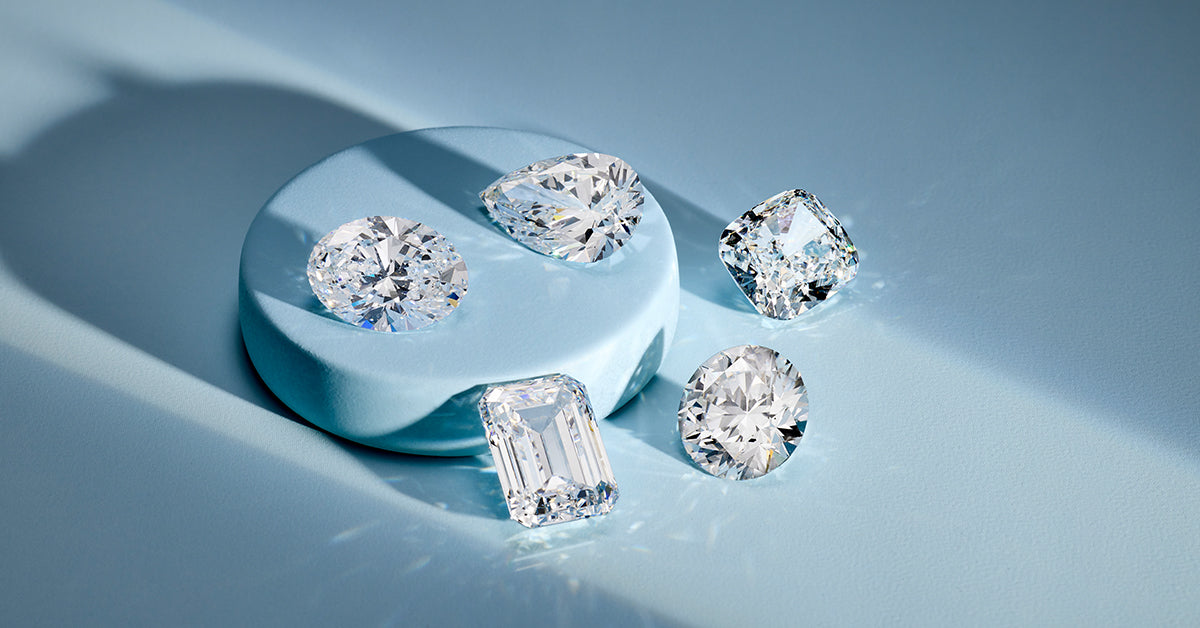
Round diamonds naturally suit circular detailing. Oval, pear, marquise and elongated cushion diamonds can work well with accent stones arranged to follow their longer outline. Emerald and radiant shapes may benefit from a setting that preserves their stronger rectangular geometry.
The key question is not simply whether a particular shape can have a lab diamonds. Buyers should examine how neatly the supporting structure follows the centre diamond.
A poorly proportioned setting can appear bulky from the side, while a well-integrated one keeps attention on the diamond.
Centre Diamond Quality Still Matters Most
Extra accent stones should not distract buyers from evaluating the centre diamond itself.
For a lab-grown diamond engagement ring, check the grading report and evaluate the qualities that directly affect appearance. Carat weight describes weight rather than visible size, so two diamonds with the same carat figure can have different face-up dimensions.
Cut quality and proportions influence how effectively a diamond interacts with light. Colour and clarity also matter, although the most suitable grades depend on the diamond shape, setting, metal colour and individual preferences.
Buyers therefore gain more from comparing diamonds visually and reviewing their measurements than from choosing purely by a carat number.
Lab-grown and mined diamonds can both be used in this type of setting. The decision between them is separate from the design itself and should reflect the buyer’s priorities, budget and preferences.
Pay Attention to Ring Height and Side Profile
One feature shoppers can overlook online is the height of the centre setting.
Because the accent diamonds sit beneath the centre stone, the design needs enough structure to make them visible. Some rings therefore have a more elevated profile than low-set solitaire designs.
That can be attractive because it exposes the detailing from the side. It may also affect everyday wear.
Someone who frequently works with their hands, wears gloves or prefers jewellery that sits close to the finger may favour a lower-profile design. Others may like the architectural appearance of a raised centre setting.
Product photographs should therefore be examined from the side as well as from above.
Check How the Wedding Band Will Sit
Wedding-band compatibility deserves attention before buying an engagement ring, not afterwards.
Depending on the basket, prongs and placement of the accent stones, a straight wedding band may sit flush against the engagement ring or leave a small space between the two.
Neither result is automatically a problem. Some people deliberately prefer a visible gap, while others want the rings to form a continuous line.
A coordinated bridal set can remove some uncertainty because the two rings are designed with their relationship in mind. If choosing the pieces separately, compare their profiles and ask how closely they are expected to sit together.
This is particularly useful for anyone planning to wear both rings daily.
Metal Choice Can Change the Overall Effect
The precious metal surrounding the stones influences the character of the finished ring.
White metals can create a visually continuous transition between diamonds and setting. Yellow or rose tones introduce contrast, which can make the centre diamond and small accent stones more distinct.
Mixed-metal designs are another possibility. For example, a white-toned setting around the diamond can be combined with a warmer-coloured band if the design allows it.
The better choice is mainly aesthetic, although durability, maintenance and lifestyle should also influence the decision.
What Should Buyers Inspect Before Choosing?
A photograph from directly above reveals only part of this setting’s design. Before selecting a ring, examine the side and three-quarter views and consider how the piece will function after the wedding as well as before it.
Look closely at the placement of the small diamonds, the height of the centre stone, the proportions of the basket and the amount of exposed metal. Check whether the setting visually supports the shape of the centre diamond rather than making it appear crowded.
Also consider maintenance. Rings with many small accent stones contain more individual setting points than a plain solitaire, so routine inspection and sensible jewellery care become worthwhile parts of long-term ownership.
Most importantly, choose the design for the way it looks as a complete ring. Extra accent diamonds should enhance the centre stone, not compensate for a centre diamond or setting that does not suit the wearer’s preferences.
A well-chosen hidden-halo design succeeds through restraint: the main diamond commands attention from above, while the extra detail reveals itself naturally from other angles.