When shopping for a beautiful engagement ring or fine jewelry, many buyers compare diamante de laboratorio vs moissanita before making a decision. Both stones look stunning, cost much less than mined diamonds, and offer ethical benefits. However, they differ in appearance, durability, value, and overall performance.
If you’re trying to decide which gemstone deserves a place in your jewelry collection, this guide explains everything you need to know. We’ll compare both options side by side so you can choose the one that fits your style and budget.
Table of Contents
What Is A Lab-Grown Diamond?
A lab-grown diamond is a real diamond created inside a laboratory using advanced technology. It has the same physical, chemical, and optical properties as a natural diamond. Even professional jewelers need specialized equipment to tell the difference.
Unlike diamond simulants, lab-grown diamonds contain pure carbon arranged in the same crystal structure found in natural diamonds.
Many modern buyers choose man made diamonds because they offer exceptional beauty while reducing the environmental and ethical concerns associated with traditional mining.
What Is Moissanite?
Moissanite is a completely different gemstone. Although it closely resembles a diamond, it is made from silicon carbide rather than carbon.
Originally discovered in a meteor crater, natural moissanite is extremely rare. Today, nearly all moissanite gemstones are created in laboratories.
Moissanite has become popular because it delivers impressive sparkle at a lower price than diamonds.
Diamante De Laboratorio Vs Moissanita: Key Differences
Although these gemstones may look similar at first glance, several important differences set them apart.
Appearance
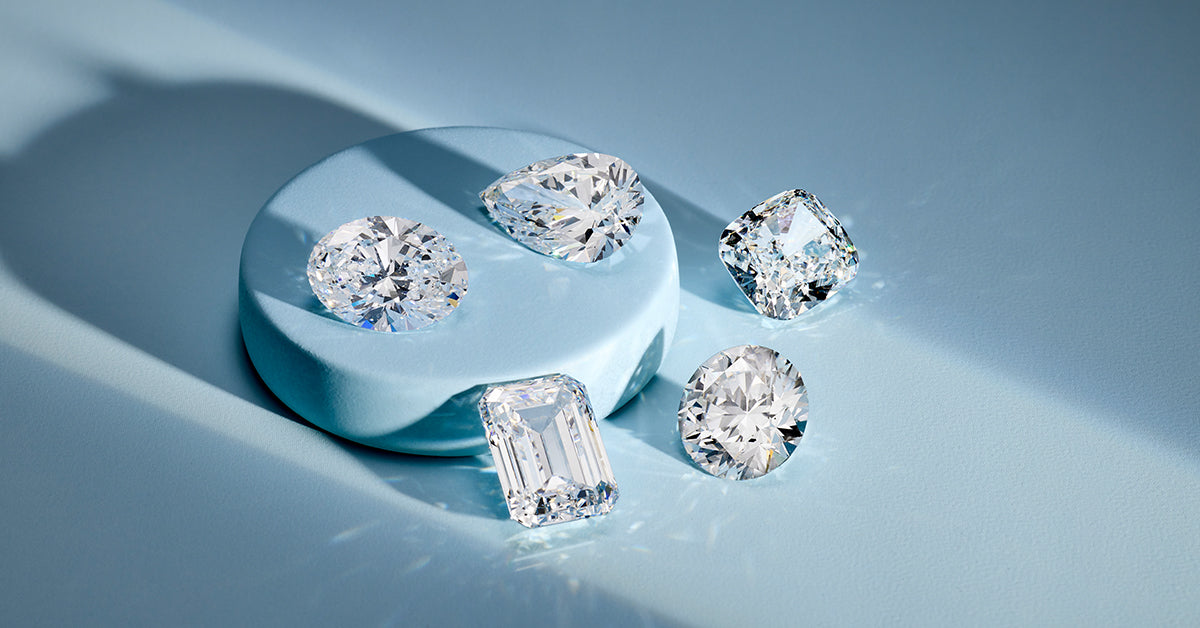
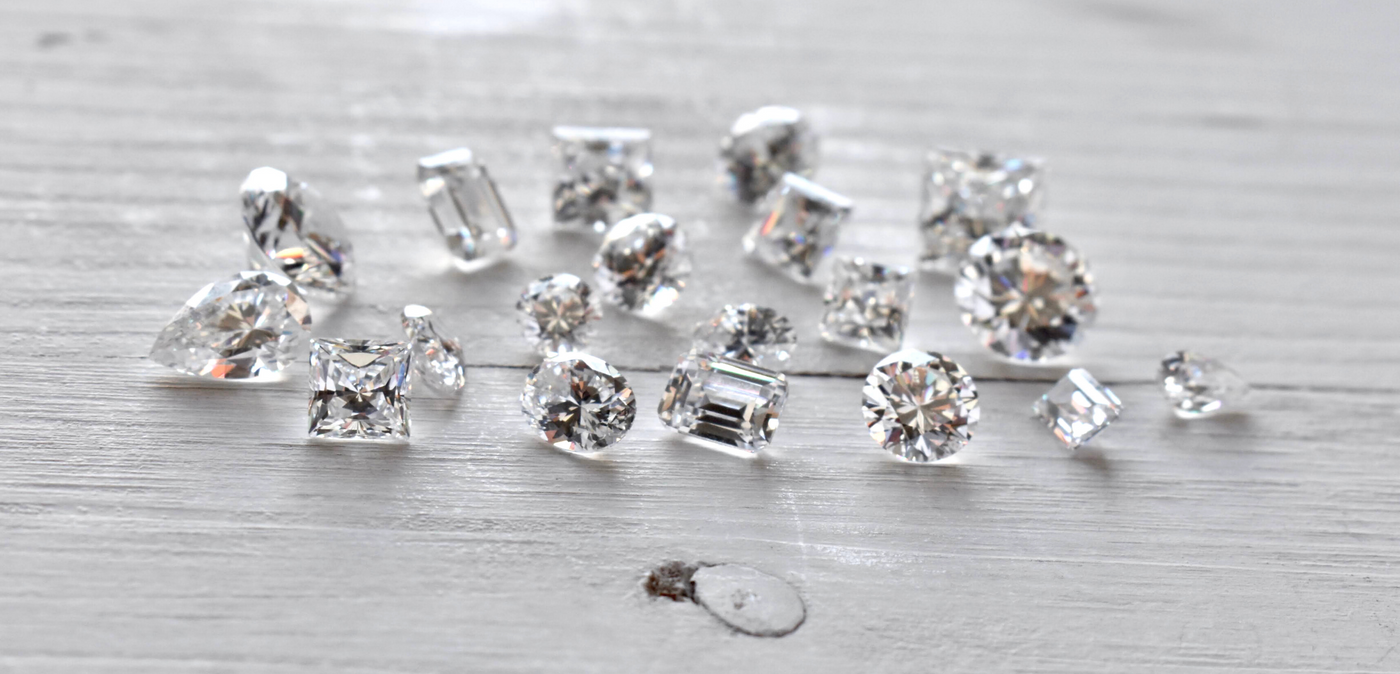
Lab-grown diamonds look identical to mined diamonds. Their brilliance, fire, and sparkle create the classic diamond appearance that many people love.
Moissanite produces even more colorful flashes of light. Some buyers enjoy this extra brilliance, while others feel it appears less natural.
If you prefer a traditional diamond look, lab-grown diamonds are usually the better option.
Hardness
Durability matters, especially for engagement rings worn every day.
According to the Mohs hardness scale:
- Lab-grown diamonds score 10.
- Moissanite scores approximately 9.25.
Both stones resist scratches well, but diamonds remain the hardest gemstone available.
Sparkle Comparison
Sparkle often becomes the deciding factor.
Lab-grown diamonds reflect white light with balanced flashes that closely match natural diamonds.
Moissanite creates stronger rainbow-colored flashes because it has a higher refractive index.
Some people love the dramatic sparkle of moissanite, while others prefer the refined brilliance of a diamond.
Price Comparison
Price is one of the biggest reasons shoppers compare these gemstones.
Generally speaking:
- Moissanite costs significantly less.
- Lab-grown diamonds cost more but remain much cheaper than natural diamonds.
If your budget is limited, moissanite offers excellent value.
If you want an authentic diamond at a reduced price, lab-grown diamonds provide outstanding long-term satisfaction.
Ethical And Environmental Benefits
Both options are considered more sustainable than mined diamonds.
Benefits include:
- No large-scale mining
- Reduced environmental impact
- Transparent sourcing
- Ethical production methods
- Modern manufacturing technology
For environmentally conscious buyers, both stones offer responsible alternatives.
Resale And Long-Term Value
Lab-grown diamonds usually retain stronger market recognition because they are genuine diamonds.
Moissanite has little resale demand since it is considered a diamond alternative rather than a diamond itself.
Although neither gemstone should be viewed as an investment, buyers seeking greater long-term recognition often choose lab-grown diamonds.
Ideal Uses
Choose Lab-Grown Diamonds If You Want:
- A real diamond
- Classic brilliance
- Maximum durability
- Better long-term appeal
- Traditional engagement ring aesthetics
Choose Moissanite If You Want:
- Lower cost
- Exceptional sparkle
- Excellent durability
- Larger stone for your budget
- Affordable fine jewelry
Which One Looks More Like A Natural Diamond?
This question comes up frequently.
The answer is simple.
Lab-grown diamonds are real diamonds. They look identical to mined diamonds because they share the same crystal structure and optical properties.
Moissanite looks similar but often displays stronger rainbow flashes that experienced jewelers can recognize.
If authenticity matters most, lab-grown diamonds clearly win.
Maintenance
Both gemstones require minimal maintenance.
To keep them looking their best:
- Clean regularly with warm water and mild soap.
- Use a soft brush to remove buildup.
- Avoid harsh household chemicals.
- Store jewelry separately to prevent scratches.
Routine cleaning keeps either gemstone sparkling for years.
Frequently Asked Questions
Are Lab-Grown Diamonds Fake?
No. Lab-grown diamonds are real diamonds with the same composition as natural diamonds.
Does Moissanite Pass As A Diamond?
Most people cannot tell the difference without specialized tools. However, moissanite displays more colorful flashes under bright lighting.
Which Lasts Longer?
Both gemstones last decades with proper care, but diamonds remain slightly harder.
Which Offers Better Value?
If you want the appearance and authenticity of a real diamond, lab-grown diamonds provide excellent value.
If your priority is spending less while enjoying brilliant sparkle, moissanite offers outstanding affordability.
Final Verdict
The debate over diamante de laboratorio vs moissanita comes down to personal priorities.
If you want a genuine diamond with timeless beauty, unmatched hardness, and classic brilliance, lab-grown diamonds are the clear choice. They deliver the same elegance as mined diamonds while offering a more ethical and affordable alternative.
If your goal is maximizing sparkle while spending less, moissanite remains an excellent option. Its impressive brilliance, durability, and attractive price make it a favorite among budget-conscious shoppers.
No matter which gemstone you choose, both represent modern, sustainable alternatives that allow you to enjoy beautiful jewelry without the high cost or environmental concerns of traditional mining.