Table of Contents
Understanding Lab Grown Diamonds
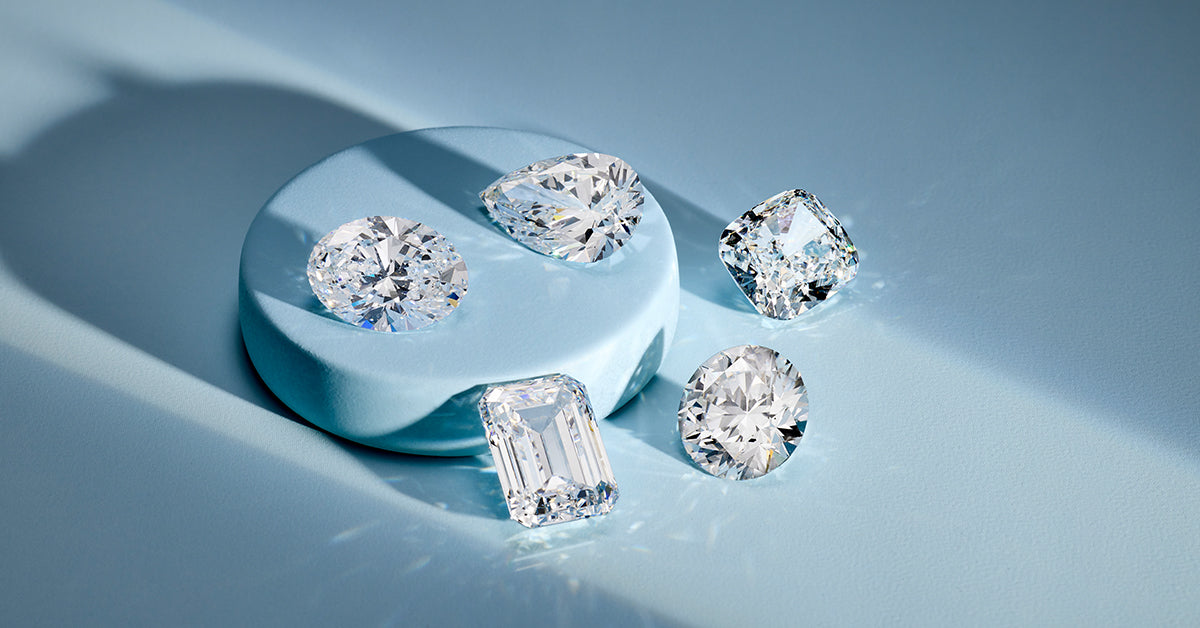
Diamond buyers have more options today than they did a decade ago. One of the biggest changes is the growing availability of lab grown diamonds. These stones have moved from a niche product to a common choice in jewelry stores and online collections. If you are researching diamond jewelry, it helps to understand what these diamonds are, how they are made, and why many buyers now consider them alongside mined stones. A lab-grown diamond is a real diamond. It contains the same carbon crystal structure found in a diamond formed underground. It is not a diamond simulant. It is not cubic zirconia or moissanite. It shares the same physical and optical properties as a mined diamond. The main difference is origin. One forms naturally beneath the earth over long periods. The other forms in a controlled laboratory environment.
How Lab Diamonds Are Created
Manufacturers use advanced technology to recreate the conditions that allow diamonds to grow. Two methods dominate production.
- High Pressure High Temperature (HPHT)
- Chemical Vapor Deposition (CVD)
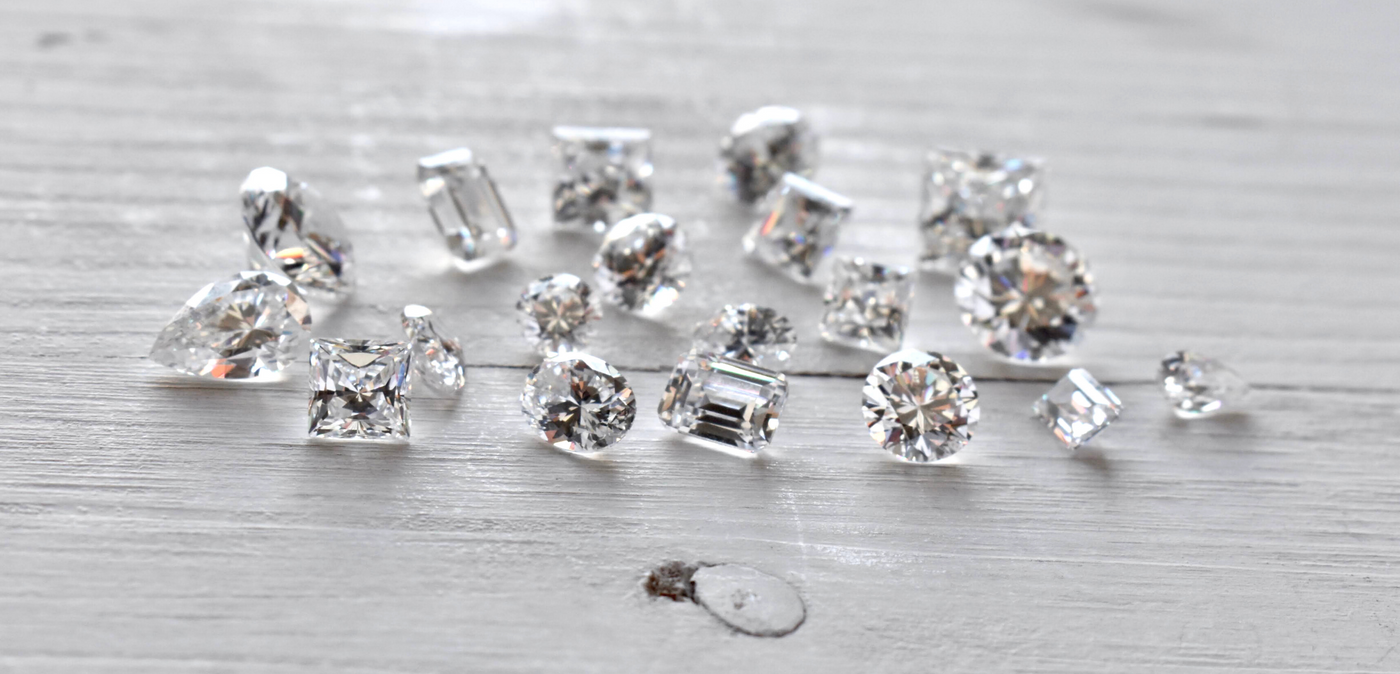
Both methods produce genuine diamonds. Once growth is complete, the stone is cut, polished, and graded just like a mined diamond. To the naked eye, there is usually no visible difference between a natural diamond and a laboratory-grown one. Example: A one-carat mined diamond and a one-carat lab-created diamond with the same cut and clarity often appear identical during normal wear.
Why Buyers Choose Them
Many shoppers start with budget concerns. Others focus on sourcing or value. Most simply want the best combination of appearance and cost. A laboratory-created stone often allows buyers to choose a larger size or higher quality grade without increasing their spending. This matters for people shopping for engagement rings, tennis bracelets, pendants, and lab diamonds hoops. A larger or better-quality stone may become accessible within the same budget range. The decision is often practical rather than emotional. Buyers compare options and select the one that matches their priorities.
Quality Standards and Grading
Quality grading follows the same basic framework used for mined diamonds.
The Four Cs
- Cut
- Color
- Clarity
- Carat weight
Cut usually has the greatest effect on appearance. A well-cut diamond reflects light efficiently and creates stronger brilliance. Color grades measure how colorless the stone appears. Clarity grades evaluate internal characteristics and surface features. Carat weight measures size and weight. When comparing diamonds, look at all four factors together rather than focusing on a single grade.
Durability and Everyday Wear
Diamonds rank among the hardest materials used in jewelry. A laboratory-grown diamond has the same hardness as a mined diamond. It resists scratching and remains suitable for daily wear. This durability makes it a practical choice for jewelry worn frequently. Examples include:
- Engagement rings
- Wedding bands
- Stud earrings
- Hoop earrings
- Pendants
Routine cleaning and proper storage help maintain appearance over time.
Understanding Price Differences
Price is often the first topic buyers research. In many cases, laboratory-grown stones cost less than comparable mined diamonds. The difference varies based on size, quality, brand, and market conditions. Lower prices do not mean lower authenticity. The stone remains a real diamond. For many buyers, this creates flexibility. They may choose a larger carat weight, a higher clarity grade, or a more detailed jewelry design while staying within budget. Price comparisons work best when the diamonds share similar quality grades. Comparing two stones with different cuts or clarity levels can produce misleading conclusions.
How Certification Helps Buyers
Certification provides an independent assessment of quality. A grading report typically includes details such as:
- Carat weight
- Color grade
- Clarity grade
- Cut grade
- Measurements
Reviewing a certificate helps you understand exactly what you are purchasing. When comparing several diamonds, the grading report often provides the clearest basis for evaluation.
Choosing the Right Diamond Jewelry
Different jewelry styles place different demands on diamond selection. For earrings, matching appearance between stones is often important. For rings, cut quality may deserve greater attention because the stone receives more direct viewing. For necklaces and pendants, size and overall design often influence purchasing decisions. When shopping, start with your priorities. Ask yourself:
- Is size most important?
- Do you prefer higher clarity?
- Does budget guide the decision?
- Will the jewelry be worn every day?
Your answers can narrow the available options quickly.
Common Misunderstandings
Many misconceptions still surround laboratory-created diamonds. One common belief is that they are fake. They are not. Another misconception is that they lack durability. In reality, they share the same hardness and wear characteristics as mined diamonds. Some buyers also assume that appearance differs dramatically. Under normal viewing conditions, most people cannot distinguish between the two without specialized equipment. Understanding these points helps buyers make informed decisions rather than relying on assumptions.
Making an Informed Purchase
Buying diamond jewelry should begin with research rather than marketing claims. Study grading reports. Compare quality characteristics. Review return policies. Examine craftsmanship. Understand the total cost. The best purchase is not necessarily the largest diamond or the most expensive one. It is the option that fits your goals and budget while delivering the appearance and quality you want. As more consumers learn about lab grown diamonds, they continue to evaluate them alongside mined alternatives. For many buyers, the choice comes down to personal preference rather than questions of authenticity or performance.
Frequently Asked Questions
Are lab grown diamonds real diamonds?
Yes. They have the same chemical composition and crystal structure as mined diamonds.
Can you wear lab grown diamonds every day?
Yes. They offer the same hardness and durability as natural diamonds and work well for daily jewelry.
Do lab grown diamonds look different from mined diamonds?
No. In normal viewing conditions they appear the same when they share similar quality characteristics.