A diamond pendant has a quiet kind of presence. It does not need an elaborate design to feel special. A single stone catching the light at the neckline can carry just as much emotion as a more intricate piece of jewellery.
That understated appeal is one reason Lab grown diamonds pendants have become an attractive choice for UK jewellery buyers. They combine the beauty and physical properties associated with diamonds with a modern approach to sourcing and design. From delicate solitaire necklaces to distinctive anniversary gifts, these pieces fit comfortably into both everyday wardrobes and significant celebrations.
For buyers who care about diamond quality, certification, craftsmanship and personal meaning, understanding the details behind the pendant matters as much as choosing a design that looks beautiful.
Table of Contents
What Makes Lab-Grown Diamond Pendants Different?
Lab-grown diamonds are real diamonds created under controlled laboratory conditions rather than extracted from the earth. They have the same fundamental crystal structure and essentially the same chemical and optical properties as mined diamonds.
Two established production methods are commonly used: Chemical Vapour Deposition (CVD) and High Pressure High Temperature (HPHT).
For jewellery buyers, the important point is simpler: a well-cut lab-created diamond offers the brilliance, hardness and elegant appearance expected from fine diamond jewellery.
This gives designers considerable freedom when creating pendants. Buyers may be able to prioritise a larger centre stone, a higher quality grade or a more distinctive setting while staying within their planned budget.
Why Lab Grown Diamonds Pendants Suit Modern Jewellery Buyers
Personal values increasingly influence luxury purchases. People want to know more about the origin of materials, the craftsmanship involved and what they are actually paying for.
Lab-grown diamonds fit naturally into this shift.
Their controlled origin provides an alternative for shoppers who prefer to avoid traditional diamond mining. At the same time, they allow customers to focus on qualities that have always mattered in fine jewellery: cut, proportions, setting security and lasting design.
For UK buyers considering lab created diamonds, several factors can make them particularly appealing:
- A wide choice of diamond shapes and carat weights
- Options suited to both minimalist and statement jewellery
- Greater flexibility when balancing size, quality and budget
- Contemporary sourcing preferences
- Versatility for daily wear and formal occasions
- Strong potential for personalised jewellery designs
The result is not simply an alternative type of diamond necklace. It is another way to approach meaningful luxury.
Choosing the Right Diamond for a Pendant
The familiar 4Cs—cut, colour, clarity and carat weight—remain useful when comparing lab-grown diamonds.
Cut and Brilliance
Cut deserves particular attention because it strongly affects how a diamond interacts with light. A beautifully cut stone can appear bright, lively and visually balanced.
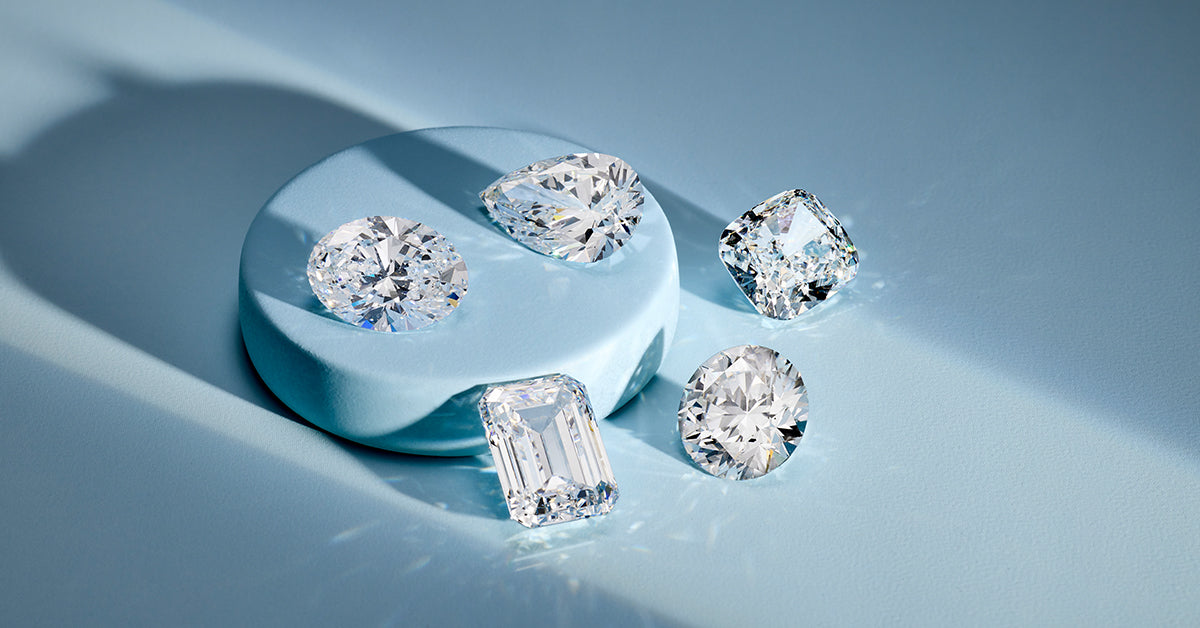
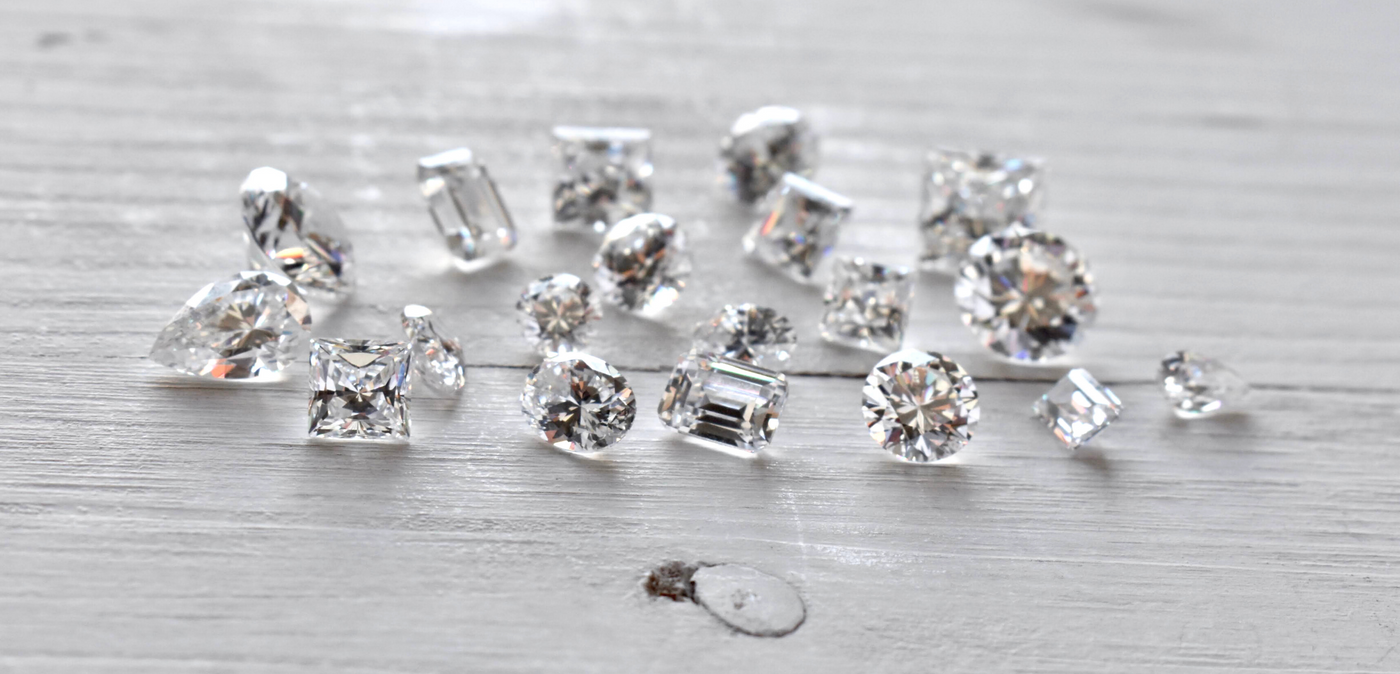
Round brilliant diamonds remain a classic pendant choice, but they are far from the only option. Oval, pear, emerald, cushion and radiant cuts can create very different personalities.
A pear-shaped diamond, for example, naturally creates an elegant drop effect. An emerald-cut stone feels cleaner and more architectural.
Colour and Clarity
A pendant is usually viewed from a little farther away than an engagement ring, which can affect how noticeable minor differences in colour and clarity are.
Rather than automatically pursuing the highest grades, consider the diamond’s appearance as a whole. An eye-clean stone with appealing proportions may provide a better balance of beauty and value.
Carat Weight
Carat measures weight rather than visible dimensions. Two diamonds of identical carat weight can appear slightly different in size depending on their shape and proportions.
For this reason, consider measurements alongside carat weight when comparing stones.
Popular Pendant Styles and Their Character
The setting surrounding the diamond influences both appearance and practicality.
| Pendant Style | Visual Character | Ideal For |
|---|---|---|
| Solitaire | Clean and timeless | Everyday luxury |
| Halo | Bright and detailed | Extra visual presence |
| Bezel-set | Sleek and contemporary | Active daily wear |
| Pear-shaped drop | Graceful and feminine | Romantic gifts |
| Geometric design | Modern and distinctive | Individual style |
| Multi-stone pendant | Decorative and symbolic | Celebrations and milestones |
A solitaire can work beautifully alongside existing fine jewellery collections because it rarely competes with other pieces. More detailed designs can become the centrepiece of an outfit.
Metal also changes the overall effect. White gold or platinum creates a crisp appearance, while yellow gold introduces warmth. Rose gold can give diamond jewellery a softer, romantic character.
Diamond Certification Deserves Attention
Certification helps buyers understand exactly what they are purchasing.
Independent grading reports can document important diamond characteristics such as carat weight, colour, clarity and measurements. Depending on the laboratory and report, additional information may also be included.
When comparing Lab grown diamonds pendants, review the grading information rather than judging quality by carat weight alone.
Certification is particularly useful when shopping online because it provides objective information that complements photographs, videos and product descriptions.
A Meaningful Alternative to Traditional Gift Jewellery
Diamond pendants are not limited to bridal jewellery.
Their versatility makes them suitable for birthdays, graduations, anniversaries, career milestones and other personal occasions. Unlike an engagement ring or wedding band, a pendant does not automatically carry one specific meaning. The person giving it can define the story.
Personalisation makes that connection even stronger.
A chosen diamond shape might represent someone’s individual style. A custom pendant could mark a family milestone. The metal, chain length or setting could be selected around jewellery the recipient already owns.
This flexibility also makes pendants appealing as self-purchased jewellery. Fine jewellery does not always need to commemorate an event; sometimes the design itself is reason enough.
How to Shop with Confidence in the UK
Buying fine jewellery online gives shoppers access to far more designs and diamond combinations, but careful comparison is worthwhile.
Look beyond the headline carat weight. Check diamond grading details, setting construction, metal specifications and chain information. Clear product imagery and transparent descriptions can also help you judge how the finished piece will look.
For customers exploring Lab grown diamonds pendants, NOVITA Diamonds offers an online route to discovering lab-grown diamond jewellery and contemporary designs. Buyers can explore the brand through novitadiamonds.com while considering the diamond characteristics and design details that suit their preferences.
It is also sensible to review care guidance and the retailer’s current policies before purchasing, particularly for customised pieces.
Styling a Diamond Pendant Beyond Special Occasions
One of the strongest qualities of a diamond pendant is its adaptability.
A fine solitaire can sit neatly above the neckline of a simple shirt or knit during the day and transition easily to evening wear. Longer chains can create a more relaxed appearance, while shorter lengths place the diamond closer to the collarbone.
Layering is another option. A small diamond pendant can be combined with a plain gold chain or another subtle necklace, provided the chain lengths are different enough to prevent visual clutter.
For weddings, a refined pendant can complement engagement rings, wedding bands and other bridal jewellery without overwhelming the overall look. After the ceremony, the same piece can return to everyday wear.
That longevity is what gives Lab grown diamonds pendants much of their appeal. A carefully chosen design can feel current without depending on a passing trend, leaving the diamond, craftsmanship and personal significance to remain the focus.